
The Ultimate Guide to Soapstone Countertops in Columbus, Ohio: Pros, Cons, and the Mineral Oil Myth
If you are designing a historic renovation in Bexley or a modern farmhouse in Delaware, you have likely scrolled past hundreds of pristine, glossy white kitchens and thought, "I want something with more soul." Enter soapstone. With its matte finish, velvety texture, and moody charcoal-to-black color palette, soapstone is the anti-trend countertop. It doesn't scream for attention; it simply commands it.
As soapstone countertop fabricators serving Central Ohio, we have seen a massive resurgence in this historic material. However, because it is a specialty stone—often overshadowed by quartz and granite—there is a tremendous amount of misinformation online regarding its care, durability, and daily maintenance.
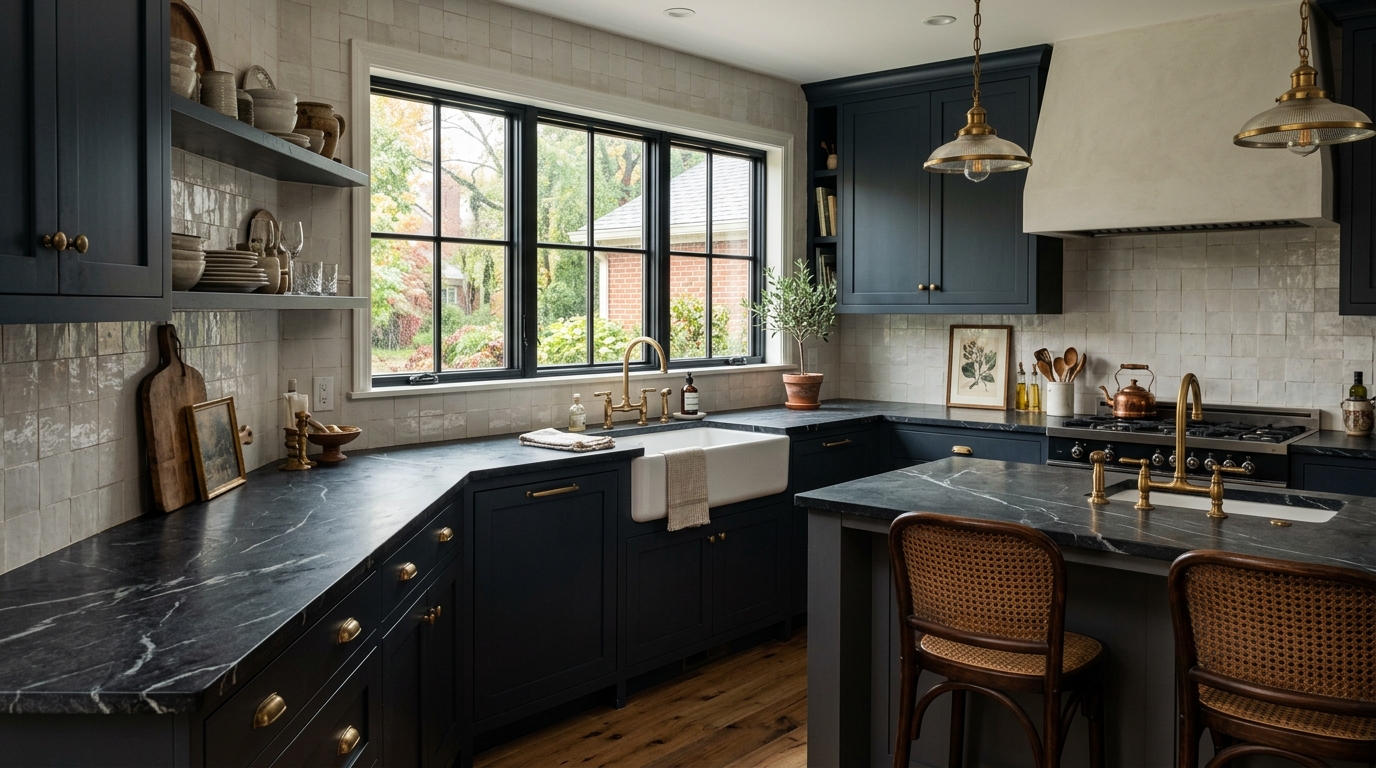
Before you commit to this stunning natural stone for your Columbus kitchen remodel, here is the unfiltered truth about what it is like to actually live with soapstone, straight from the fabrication shop floor.
What is Soapstone? (The Architectural vs. Artistic Grade Difference)
Soapstone, geologically known as steatite, is a naturally occurring metamorphic rock. Its defining characteristic is the presence of talc, which gives the stone its signature soft, "soapy" feel when you run your hand across it.
Here is the first trap many homeowners fall into: not all soapstone is created equal. There are two primary grades:
- Artistic Grade: High in talc (up to 80%). This is extremely soft and used for carving sculptures. You do not want this in your kitchen.
- Architectural Grade: Lower in talc (usually around 30%) and higher in harder minerals like quartz and magnesite. This is the grade quarried specifically for countertops, sinks, and fireplaces.
At Distinctive Kitchen, we exclusively source architectural-grade soapstone. While it is softer than granite, architectural soapstone is more than dense enough to handle the daily rigors of a busy Ohio household.

The Pros: Why Designers and Bakers Love Soapstone
1. Impervious to Heat
Soapstone is legendary for its thermal properties. In fact, it is the material traditionally used to build masonry heaters and chemistry lab tables. You can take a 500°F cast-iron Dutch oven directly off the stove and set it squarely on your soapstone island. It will not scorch, it will not crack, and it will not discolor. For serious home chefs, this level of thermal invincibility is a game-changer.
2. Naturally Non-Porous (Zero Sealing Required)
This is the biggest advantage soapstone holds over granite and quartzite. Soapstone is incredibly dense and naturally non-porous. It is completely impervious to bacteria, red wine, lemon juice, and coffee. You will never, ever have to purchase a chemical sealer for a soapstone countertop. Acidic foods will not etch it, and dark liquids will not stain it.
3. A Living Aesthetic
Unlike engineered quartz, which is designed to look exactly the same on day 10,000 as it did on day 1, soapstone is a "living" surface. As it is exposed to oxygen, oils from your hands, and daily use, the stone naturally oxidizes, deepening into a rich, dark charcoal or soft black. It develops a patina that tells the story of your family's life in the kitchen.
Curious about adding Soapstone to your home?
Get a precise, no-obligation estimate for your Columbus kitchen remodel today.
Get an Instant QuoteThe Cons: The Reality of Scratches and Dents
We believe in total transparency. Soapstone is not for perfectionists. If the sight of a minor scratch on your countertop will ruin your day, do not buy soapstone.
Because of its talc content, soapstone is softer than granite. If you drop a heavy cast-iron pan on the edge, it may dent. If you drag a rough ceramic mug across the surface, it may leave a superficial scratch.
The Silver Lining: Unlike quartz or granite—where a scratch requires professional epoxy repair—a scratch on soapstone is a DIY fix. A superficial scratch can simply be rubbed away with a drop of mineral oil. A deeper scratch can be sanded out with a standard piece of fine-grit sandpaper from a local hardware store in about two minutes. The stone is incredibly forgiving to repair.
The Mineral Oil Myth: Do You Have to Oil It?
One of the most persistent myths we hear in our showroom is that soapstone requires constant oiling to protect it. This is false.
Remember, soapstone is non-porous. Oil does not penetrate the stone to seal it; it simply sits on the surface. We apply mineral oil (or specialized soapstone wax) purely for aesthetic reasons.
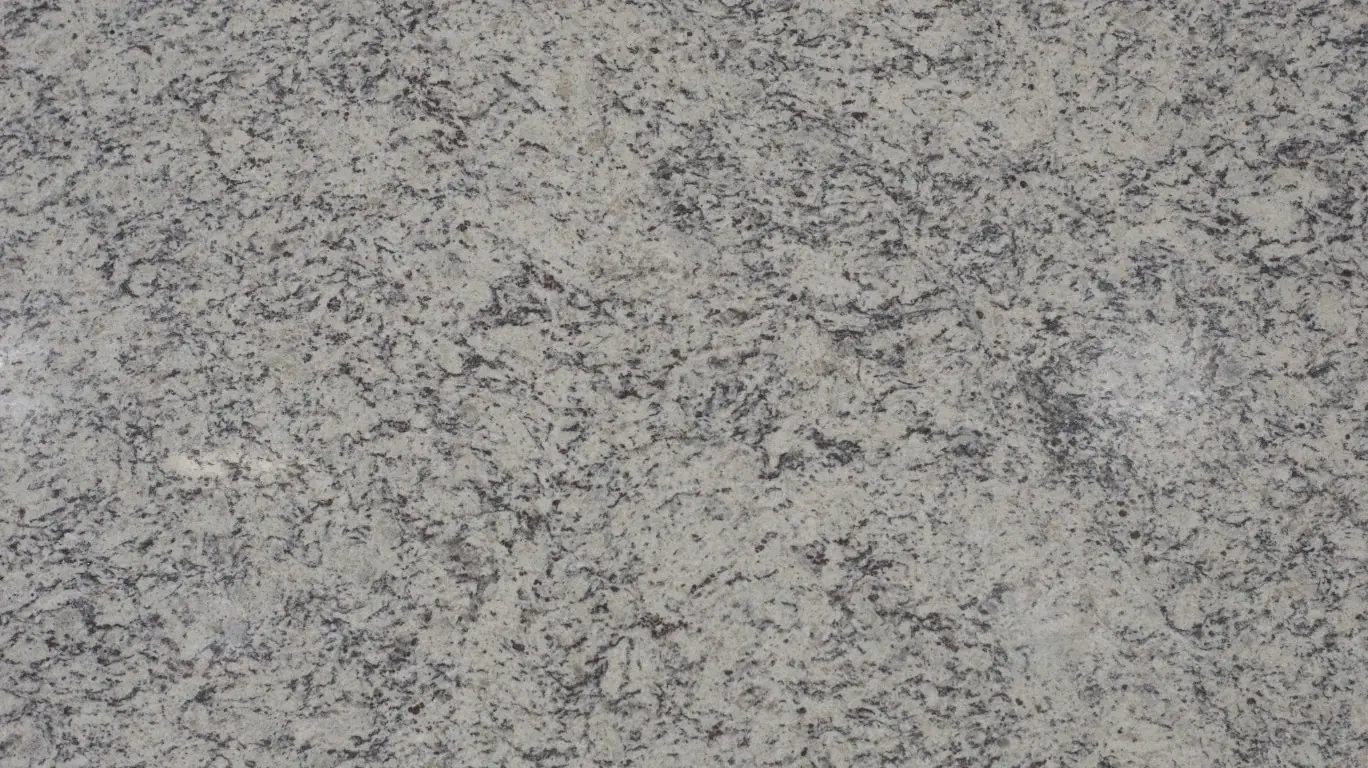
When soapstone is freshly quarried, it is typically a light, dusty grey. Applying food-safe mineral oil rapidly accelerates the oxidation process, turning the stone into that deep, dramatic black color that highlights the white quartz veining.
Your Maintenance Choices:
- The High-Maintenance Route (Glossy Black): If you want your soapstone to remain a deep, uniform black, you will need to apply mineral oil every few weeks for the first year, and then every few months thereafter.
- The Low-Maintenance Route (Natural Grey): Simply do nothing. Leave the stone bare. It will naturally darken in areas of high use (like around the stove) and remain lighter elsewhere, developing a beautiful, rustic patina over time.
- The Middle Ground (Wax): According to historical restoration experts at Old House Journal, many homeowners now prefer dry soapstone wax (a blend of carnauba wax and walnut oil) over mineral oil. Wax provides the dark color but only needs to be applied once or twice a year because it doesn't evaporate like oil does.
Design Pairings for Central Ohio Homes
Soapstone is incredibly versatile, but it truly shines in specific architectural contexts popular across Columbus:
The Historic Bexley Renovation: If you are updating a 1920s Tudor but want to maintain historical accuracy, soapstone is the perfect choice. Pair it with unlacquered brass hardware, inset shaker cabinets painted in warm mushroom or olive tones, and an integrated soapstone farm sink. The matte finish of the stone ensures the kitchen feels authentic to the home's era.
The Powell Modern Farmhouse: Soapstone is the ultimate anchor for the modern farmhouse aesthetic. It provides a striking, grounded contrast against bright white perimeter cabinets and floating reclaimed wood shelves.
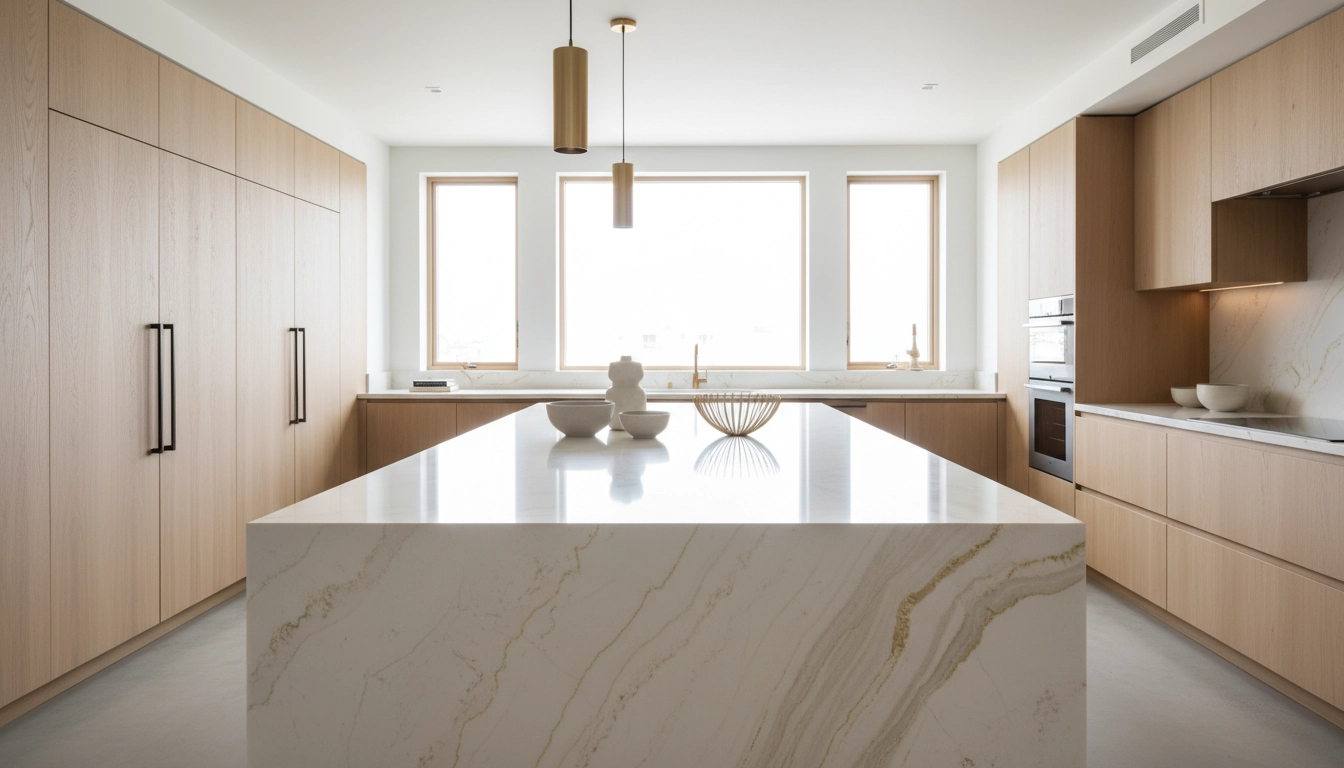
The Dublin Transitional: For a more contemporary look, we often fabricate soapstone with a clean, square "eased" edge and pair it with light natural white oak cabinetry. The organic warmth of the wood balances the cool, dark moodiness of the stone perfectly.
The Golden Rule: View the Slabs in Person
Because soapstone is a specialty natural stone, availability and vein patterns vary wildly from bundle to bundle. Some slabs are almost solid black; others feature aggressive, lightning-strike white veins. You cannot select this material from a 4x4 inch sample tile.
If you are considering soapstone for your Ohio home, we strongly encourage you to visit the Distinctive Kitchen showroom. You need to run your hand across a full slab to truly appreciate the velvety texture and determine if the aesthetic is the right fit for your family's lifestyle.

Fabricator's FAQ: Soapstone Countertops
Is soapstone more expensive than granite?
In the Columbus market, soapstone is generally considered a premium material. It typically costs more than entry-level or mid-tier granite, pricing out closer to high-end granite or premium engineered quartz. The exact price depends on the specific quarry and the architectural grade of the slab.
Can I put a hot pan directly on a soapstone countertop?
Yes, absolutely. Soapstone is incredibly heat-resistant. It is the same material historically used to build masonry heaters and laboratory tables. You can take a cast-iron skillet straight off a 500°F stove and set it directly on your soapstone counters without any risk of scorching or cracking.
Does soapstone scratch easily?
Because of its talc content, soapstone is softer than granite or quartz, meaning it can scratch or dent if heavy objects are dragged or dropped on it. However, unlike quartz where a scratch requires professional epoxy repair, a soapstone scratch is a DIY fix. You can rub out light scratches with mineral oil or buff out deeper ones in minutes using fine-grit sandpaper.
Do I have to oil my soapstone countertops?
No. Oiling soapstone is purely for aesthetic purposes to achieve a uniform, dark black color. Because soapstone is completely non-porous, the oil does not "seal" or protect the stone; it only changes its appearance. If you prefer the lighter, natural grey look, you never have to apply a single drop of oil or wax.
Ready to upgrade to natural Soapstone?
Use our online pricing tool to get a fast, accurate estimate for your upcoming remodel.
Get an Instant Quote